

We've all been there. You open your closet and suddenly realize you can't remember the last time you wore half of what's in there. That shirt from three seasons ago? Still has the tags on. Those jeans that "might fit again someday"? Let's be honest with ourselves.
Here's the thing: that overflowing closet isn't just taking up space in your home. It's actually an opportunity. An opportunity to declutter your life, help someone in your community, and do something genuinely good for the planet. Sound like a stretch? Stick with me.
The Numbers Tell a Story
Let's talk about what happens when clothes don't get donated. According to the EPA, Americans generate about 11.3 million tons of textile waste every single year. The average person throws away roughly 81 pounds of clothing annually. That's like tossing out an entire wardrobe, every year, per person.
Did You Know?
The fashion industry accounts for about 10% of global carbon emissions. That's more than all international flights and maritime shipping combined.
When clothes end up in landfills, they don't just sit there quietly. Synthetic fabrics like polyester can take up to 200 years to decompose. Natural fabrics break down faster, but in the process, they release methane (a greenhouse gas that's about 25 times more potent than CO2). Every bag of clothes we donate instead of trash is a small win for the environment.
It's Not Just About the Planet
Here's what I love about clothing donation: it creates this beautiful ripple effect. Your gently-used winter coat could keep someone warm during a cold snap. Those professional clothes you no longer need? They might help someone walk into a job interview feeling confident.
Organizations like Dress for Success specifically provide professional attire to women entering the workforce. Local shelters distribute warm clothing to people experiencing homelessness. Thrift stores sell donated items to fund community programs like job training and housing assistance.
When you think about it that way, that sweater collecting dust in your closet could genuinely change someone's day. Maybe even their life.
What's In It for You?
I'll be the first to admit: I started donating clothes for selfish reasons. My closet was a disaster, and I needed space. But something interesting happened along the way.
There's real psychology behind the "declutter high." Studies have shown that physical clutter competes for our attention, increases stress, and can even affect our ability to focus. When you clear out the stuff you don't need, you're not just organizing your closet. You're creating mental space too.
Pro Tip:
Many donation centers provide tax receipts for your contributions. Keep these for tax season. Your generosity might just come with a nice deduction.
Plus, once you see how much you've donated, something shifts. You start thinking twice before that impulse buy. You begin asking yourself, "Do I really need this, or will it end up in a donation bag in six months?" It's a small mindset change that can save you money and reduce waste over time.
Making Your Donation Count
Ready to clear out that closet? Here's how to do it right:
Your Donation Checklist
- 1Sort with intention. If you haven't worn it in a year and it still has life left, it's time to let it go. Be honest with yourself about those "maybe someday" items.
- 2Check the condition. Donate items that are clean and wearable. Stained or torn items can often be recycled separately.
- 3Find a convenient location. Use our donation map to find drop-off points near you. Many accept everything from clothes to shoes to accessories.
- 4Make it a habit. Set a calendar reminder for seasonal closet clean-outs. Spring and fall are perfect times to reassess what you're actually wearing.
The Bigger Picture
I know one person's closet clean-out won't solve climate change or end poverty. But here's what I've come to believe: small actions, multiplied by millions of people, create real change.
According to ThredUp's Resale Report, the secondhand market is expected to double by 2028. More people than ever are choosing to buy used and donate what they no longer need. That's a cultural shift happening in real time.
Every item you donate is one less thing in a landfill. Every coat you pass on keeps someone warm. Every professional outfit you give away might help someone land a job. These aren't hypotheticals. They're happening every day, in communities everywhere.
Think About It:
If every household in America donated just 10 items per year instead of throwing them away, we'd divert millions of tons of textiles from landfills. Your closet clean-out is part of something bigger.
Your Turn
So, about that overflowing closet. It's not just clutter. It's potential. Potential to simplify your life, help your neighbors, and lighten your environmental footprint.
The best part? Getting started is easy. Find a donation center near you, gather up what you no longer need, and drop it off. That's it. Your future self (and your community) will thank you.
Ready to Make a Difference?
Find donation centers in your area and give your clothes a second life.
Find Donation Centers
Kelly is a Senior Program Manager at the American Red Cross with nearly 7 years of experience in disaster response and community outreach. A graduate of Appalachian State University, she's passionate about connecting people with resources that make a real difference. When she's not coordinating relief efforts, Kelly loves sharing practical tips on sustainable giving and helping others find meaningful ways to support their communities.
Keep Reading
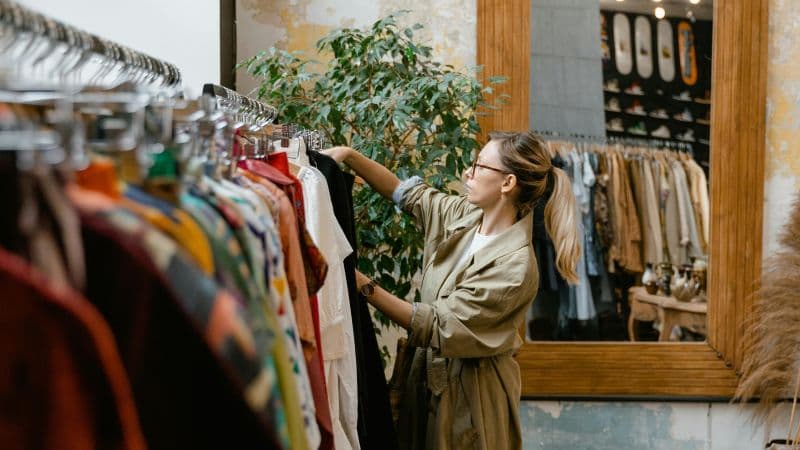
Sustainable Fashion: How to Shop Less and Donate More
The "one in, one out" rule changed how I think about my closet. Here's how it can work for you too.
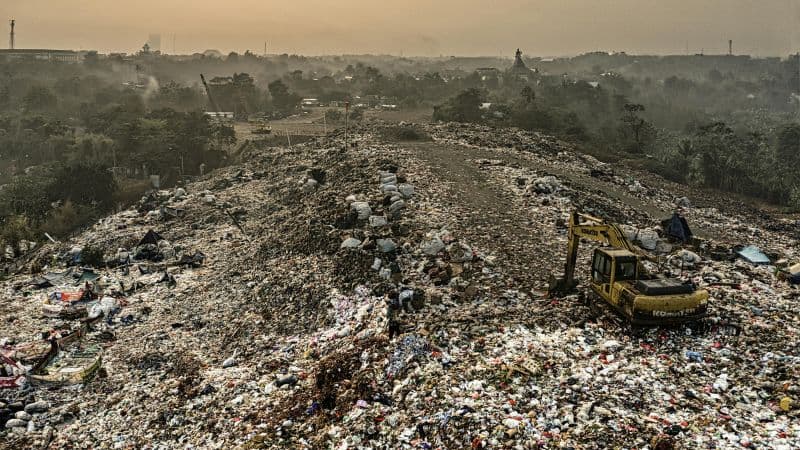
What Happens When You Don't Donate: The Dark Side of Textile Waste
Every year, millions of tons of clothing are discarded, piling up in landfills and contributing to environmental degradation. Discover the shocking statistics and learn how you can make a difference.