
Here's something I learned the hard way: I spent years donating the same stuff over and over. Shirts I'd stopped wearing. Jeans that didn't fit. The occasional sweater. Then one day, a volunteer at my local Goodwill mentioned they were desperate for backpacks. Backpacks? I had three sitting in my garage.
Turns out, your closet (and your garage, and your linen closet) is full of stuff that donation centers actually want. We just don't think to donate it. Let's fix that.
Shoes: The Most Underrated Donation
Think about how many shoes you have that you barely wear. The sneakers from that fitness phase. The dress shoes from a wedding. The boots that are perfectly fine but just not your style anymore.
Quality footwear is one of the most requested items at shelters and donation centers. A good pair of shoes can cost $50 to $100 or more, which is out of reach for many families. Your gently-used shoes could help someone walk to a job interview, get through a work shift, or simply stay comfortable.
Pro Tip:
Tie shoes together or rubber band pairs before donating. It makes sorting so much easier for volunteers and ensures your shoes actually stay together.
Accessories: Small Items, Surprising Impact
Open any drawer in your house and you'll probably find forgotten accessories. Scarves you received as gifts. Belts from pants you no longer own. Hats you bought for a trip and never wore again. Handbags that seemed like a good idea at the time.
These small items matter more than you might think. Organizations like Dress for Success use accessories to help complete professional outfits for job seekers. A quality belt or handbag can be the finishing touch that helps someone feel confident walking into an interview.
Winter accessories (scarves, gloves, hats) are especially valuable during cold months. Shelters distribute these directly to people who need them, and they're often the first items to run out.
Linens and Bedding: More Useful Than You'd Think
That stack of extra towels in your closet? The sheets from a bed size you no longer have? The blanket that's been sitting in your guest room for years? All of these are in high demand.
Shelters and transitional housing programs constantly need bedding and linens. When someone moves into their first apartment after experiencing homelessness, they often have nothing. Your donated sheets and towels help turn an empty space into a home.
Did You Know?
Animal shelters love old towels and blankets. They use them to line cages and create cozy spots for pets waiting for adoption. Even stained towels can find a second life this way.
Kids' Stuff: Clothes, Toys, and Gear
If you have kids (or have had kids), you know how fast they outgrow everything. That onesie worn twice. The jacket that fit for one season. The toys they've moved on from. The stroller collecting dust in your garage.
Children's items are always in demand. Kids grow so quickly that many families struggle to keep up with clothing costs. Your donations can help bridge that gap.
Kids' Items Worth Donating
Clothing & Accessories
- Outgrown clothes in good condition
- Shoes (especially sneakers and boots)
- Winter coats and snow gear
Gear & Toys
- Strollers and high chairs
- Books and educational toys
- Sports equipment
Bags and Backpacks: Surprisingly Essential
This was my lightbulb moment. Backpacks, duffel bags, tote bags, even luggage. These items are incredibly valuable at shelters and donation centers.
Think about it: if you're experiencing homelessness, a backpack is essential for carrying your belongings. If you're a student from a low-income family, a quality backpack can be expensive. If you're fleeing a dangerous situation with nothing, having a bag to carry your things matters.
That conference tote you never use? The laptop bag from your old job? The backpack your kid outgrew? All of these could genuinely help someone.
Jewelry: Yes, Even Costume Pieces
You don't need to donate your grandmother's diamonds (though some organizations do accept fine jewelry for fundraising). Even costume jewelry, fashion watches, and simple accessories are welcome at most thrift stores.
Jewelry can help someone feel put-together for a special occasion or a job interview. And at thrift stores, these items sell quickly, generating funds for community programs. That necklace you haven't worn in years could end up being someone's favorite accessory.
Outerwear and Rain Gear
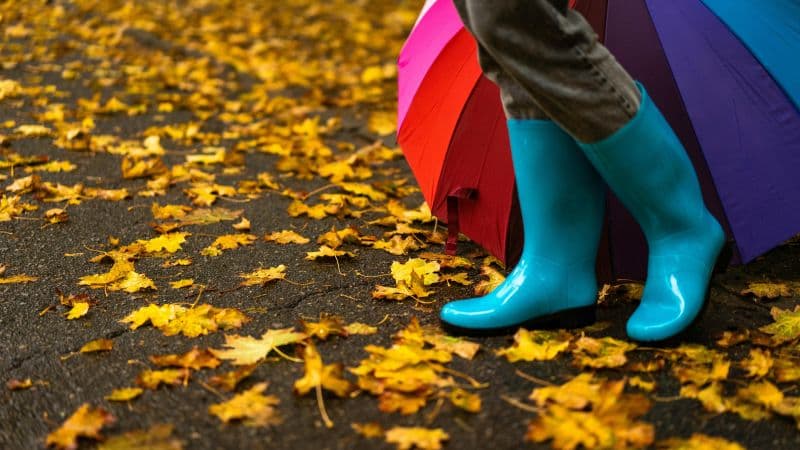
Coats get a lot of attention during winter coat drives, but outerwear is needed year-round. Rain jackets, windbreakers, and lightweight layers are all valuable. And don't forget the extras: umbrellas, rain boots, waterproof gloves.
Think About It:
Umbrellas are rarely donated but frequently needed. Most of us have a few extras stashed somewhere. Check your car, your entryway, your office. You might have more than you realize.
Time to Go Treasure Hunting
The next time you're decluttering, look beyond the obvious. Check your drawers, your closets, your garage. There are hidden gems everywhere, items that could genuinely help someone while also clearing space in your home.
Not sure what's accepted? Find a donation center near you and ask what they need most. You might be surprised.
Ready to Donate Your Hidden Gems?
Find a donation center near you and give these items a second life.
Find Donation Centers
Kelly is a Senior Program Manager at the American Red Cross with nearly 7 years of experience in disaster response and community outreach. A graduate of Appalachian State University, she's passionate about connecting people with resources that make a real difference. When she's not coordinating relief efforts, Kelly loves sharing practical tips on sustainable giving and helping others find meaningful ways to support their communities.
Keep Reading
Closet Cleanse: How to Decide What Clothes to Donate
If your wardrobe is overflowing, it's time for a refresh! Learn how to decide what clothes to donate with our fun and guilt-free closet cleanse guide.

2025 Donation Trends: What Items Are Most Needed at Charities Right Now?
Some items are in much higher demand than others this year. Here's what charities actually need most.